Orange V2: Vibrant Color Fonts for Playful Design
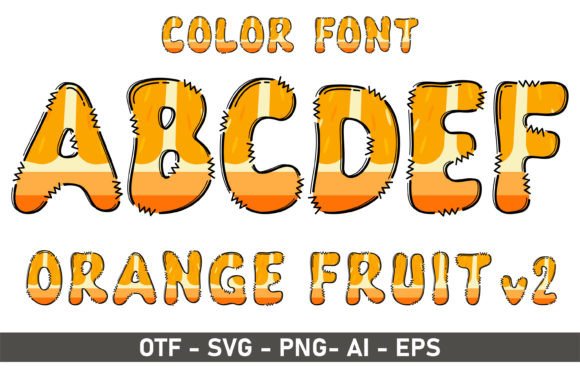
In the dynamic world of graphic design, typography is far more than just letters on a page—it's a critical element of visual storytelling. The right typeface can set a mood, convey a brand's personality, and instantly communicate with an audience. For designers aiming to inject a sense of joy, creativity, and artistic flair into their work, color fonts represent a powerful evolution, and Orange V2 stands out as a prime example. This innovative color font, built on the OpenType-SVG format, is specifically engineered to bring a playful and artistic feel to a wide array of creative projects.
Understanding the Power of Color Fonts
Unlike traditional single-color fonts, color fonts like Orange V2 embed full color data directly into the typeface file. This means each glyph can contain multiple colors, gradients, textures, and even hand-painted effects. The result is typography that is visually rich and immediately impactful without requiring additional design steps in post-production. This technology is a game-changer for creating engaging reading experiences, particularly in contexts like children's books, where whimsical, colorful, and easy-to-read text is essential. The inherent character of such fonts helps build an immersive world for young audiences, making learning and storytelling more delightful.
Practical Applications Across Creative Projects
The versatility of a font like Orange V2 makes it a valuable creative asset for numerous applications. Its vibrant aesthetic is ideal for designs that need to stand out and convey energy. Consider its use in:
- Branding and Logo Design: A playful logo can differentiate a brand in a crowded market, especially for businesses targeting families, creative industries, or lifestyle sectors.
- Marketing Materials: From posters and flyers to digital ads, Orange V2 can grab attention instantly, making promotions for events, sales, or products more memorable.
- Social Media Graphics: In the fast-scrolling environment of social platforms, eye-catching typography is crucial for stopping thumbs and boosting engagement.
- Editorial and Web Design: Used strategically in headlines, pull quotes, or section titles, it can add personality to magazines, blogs, and websites without compromising overall readability.
- Packaging Design: For products like toys, snacks, or artisanal goods, this font style can enhance shelf appeal and communicate a fun, approachable brand identity.
- Digital Products and Presentations: Elevate invitations, greeting cards, e-book covers, or slide decks with typography that feels custom and premium.
Integrating Playful Typography Effectively
While a font like Orange V2 offers tremendous creative potential, its effective use requires thoughtful integration into your design workflow. The primary consideration is visual hierarchy. Such expressive fonts are best used for headlines, logos, or short bursts of text where they can shine without overwhelming the viewer. Body text should typically use a simpler, highly legible typeface to ensure readability and maintain a professional presentation.
Furthermore, always consider your color palette and overall composition. The built-in colors of the font should complement your project's existing scheme. Test the font at various sizes to ensure the intricate details of the color rendering remain clear and impactful. It's also vital to understand technical compatibility. As a color font in the OpenType-SVG format, Orange V2 is compatible with professional design software like Adobe Photoshop, Illustrator, and Inkscape, but it is important to note that OTF and TTF files are not compatible with cutting machines like Cricut. Always verify asset compatibility with your specific tools and end-use applications.
Ultimately, the choice of typography is a fundamental design decision that shapes user experience and brand perception. By leveraging specialized creative assets like the Orange V2 color font, designers and creators can efficiently inject personality, emotion, and modern aesthetics into their work. Thoughtful selection and application of such resources not only enhance the visual appeal of a project but also strengthen its communicative power, ensuring your message is not just seen, but felt.