The Playful Power of Hot Dog Typography
In the world of graphic design, typography is the voice of a visual, and choosing a font like Hot Dog is a deliberate decision to inject personality, energy, and approachability into a project. This distinctive font family, characterized by its whimsical and often colorful letterforms, is a prime example of how typography moves beyond simple legibility to become a core component of visual storytelling and brand identity. Its design is intentionally playful, making it a powerful asset for creators aiming to connect with audiences on an emotional level.
Understanding the Hot Dog Aesthetic
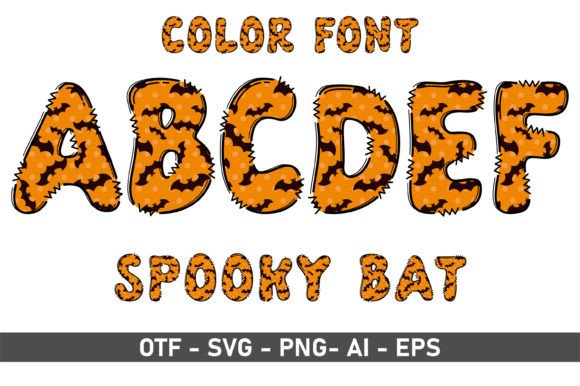
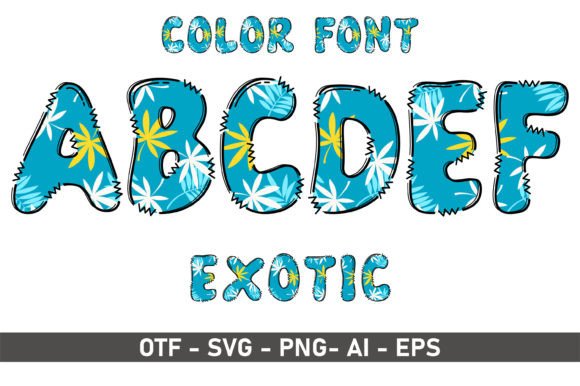
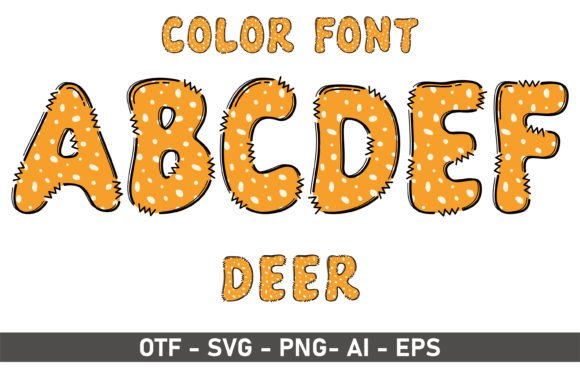
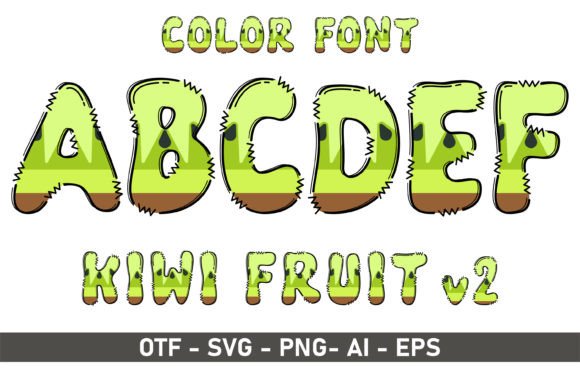
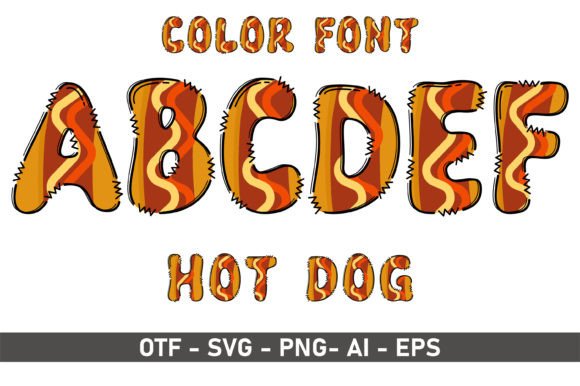
Fonts like Hot Dog are engineered to convey a specific mood. They typically feature rounded edges, irregular baselines, and a handcrafted feel that evokes creativity and fun. This style is rooted in a design philosophy that prioritizes engagement over formality. The visual impact is immediate, making it ideal for applications where capturing attention quickly is paramount. Its strength lies in its ability to set a clear tone before a single word of body copy is read, making it a cornerstone of effective visual communication for certain audiences.
Practical Applications for Modern Creators
The utility of a playful font extends across numerous creative projects and industries. Its applications are particularly effective where a friendly, youthful, or artistic tone is desired.
- Brand Identity & Logo Design: For brands targeting families, children, or the creative arts, Hot Dog can form the basis of a memorable and distinctive logo. It helps establish a brand personality that is approachable and innovative.
- Marketing & Social Media Graphics: In digital marketing, scroll-stopping power is essential. This font style excels in social media posts, banner ads, and email headers, where its vibrant character can boost engagement and shareability.
- Packaging & Product Design: On shelves, playful typography helps products stand out. It is frequently used in food packaging, children's toys, and lifestyle goods to appeal directly to target demographics through visual cues.
- Editorial & Web Design: In limited doses, such as for pull quotes, subheadings, or CTAs, Hot Dog can break the monotony of traditional layouts in magazines, blogs, and websites, adding visual interest and guiding the reader's eye.
Integrating Playful Typography into Your Design Workflow
While a font like Hot Dog offers tremendous creative value, its effectiveness hinges on strategic implementation. Consider these practical tips for seamless integration:
- Prioritize Readability: The most beautiful font fails if it cannot be read. Test your chosen typeface at various sizes, especially for body text or critical information. Pair it with a clean, neutral sans-serif or serif font for longer passages to maintain a professional presentation and clear visual hierarchy.
- Ensure System Compatibility: A crucial technical step is verifying file format compatibility with your design software. Note that certain colorful or decorative font versions may have limitations with specific programs or cutting machines like Cricut. Always consult the provided font guide to avoid workflow disruptions.
- Align with Audience Expectations: The playful nature of such fonts resonates powerfully with certain demographics but may undermine credibility in more conservative industries like finance or law. Always match your typographic choices to your audience's expectations and the project's goals.
- Use Sparingly for Maximum Impact: Overuse can dilute its effect and create visual clutter. Employ Hot Dog for key headings, logos, or accent text, allowing its unique character to shine without overwhelming the overall design composition.
Ultimately, the thoughtful selection of creative assets like typography is fundamental to successful design. A resource such as the Hot Dog font empowers designers, marketers, and business owners to craft visuals that are not only aesthetically pleasing but also emotionally resonant. By balancing its playful energy with principles of usability and consistency, you can elevate your projects, strengthen brand recognition, and create more engaging user experiences. In the dynamic landscape of visual design, having the right typographic tools is key to communicating your message with clarity and personality.