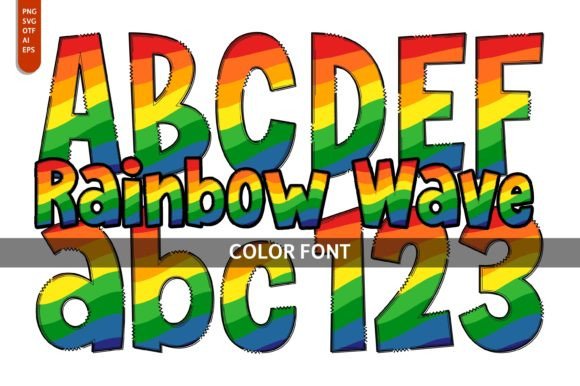
Rainbow Wave: Infusing Joy into Graphic Design
Imagine a design element that instantly evokes a sense of joy, creativity, and dynamic energy. That's the power of the Rainbow Wave. This versatile visual motif, characterized by flowing bands of color, is a fantastic asset for any designer looking to inject a playful or artistic feel into their work. From children's books and posters to invitations and greeting cards, its application is as broad as it is effective. Add it to your lovely projects and you will love the results!
What is the Rainbow Wave and Why It Matters
In the realm of modern graphic design, the Rainbow Wave is more than just a colorful stripe. It's a design trend that leverages the psychology of color and the appeal of organic shapes to create immediate visual impact. Its flowing form can guide the viewer's eye, establish a mood, or simply serve as a captivating background. For designers, marketers, and creators, understanding how to use this element effectively is key to enhancing visual communication and user engagement.
This motif contributes to a polished and professional result by adding layers of visual interest without overwhelming the core message. When used thoughtfully, it can strengthen brand identity, making a brand feel more approachable, innovative, and memorable. It’s a tool for building a visual hierarchy that is both intuitive and aesthetically pleasing.
Practical Applications Across Creative Projects
The true value of the Rainbow Wave lies in its adaptability. It seamlessly integrates into a wide array of design contexts, offering a fresh take on common projects.
- Branding and Logo Design: A subtle Rainbow Wave can add a modern, inclusive touch to a logo or brand mark, perfect for companies in the creative, educational, or wellness sectors.
- Marketing Materials: Use it on brochures, flyers, and email headers to draw attention and convey a message of diversity and positivity.
- Social Media Graphics: Create eye-catching posts, story backgrounds, or video thumbnails that stand out in a crowded feed, boosting engagement.
- Website and UI Design: Implement it as a decorative element in headers, footers, or loading animations to enhance the user experience with a touch of delight.
- Editorial Layouts: In magazine spreads or book covers, it can frame content beautifully, adding a dynamic layer to the visual hierarchy.
- Packaging Design: Ideal for products targeting a younger audience or those emphasizing creativity, making the packaging itself a part of the brand story.
- Presentations and Digital Products: Elevate slide decks, webinar graphics, or online course materials with a design that feels both professional and engaging.
Integrating Rainbow Wave with Design Best Practices
Successfully incorporating the Rainbow Wave into your projects requires more than just pasting it onto a canvas. Consider these actionable tips to ensure it enhances your design workflow and final output:
- Consistency is Key: If using it across a brand system, ensure the color palette and style of the wave remain consistent to build recognition.
- Prioritize Readability: When placing text over or near the wave, ensure there is sufficient contrast. Sometimes, a semi-transparent overlay or a muted version works best.
- Think About Scalability: The design should look good at both large and small sizes. Test it in the context of a favicon, a social media icon, and a full-page poster.
- Audience and Goals: Align its use with your audience's expectations and the project's goals. A playful wave suits a children's party invitation but may need to be more subdued for a corporate presentation.
- Complementary Elements: Pair it with clean typography and ample white space. The wave is a strong visual element; let it breathe by balancing it with simpler components in your composition.
Ultimately, the Rainbow Wave exemplifies how thoughtful design choices can significantly improve both the aesthetics and the communicative power of a project. By selecting high-quality creative assets and applying them with intention, designers can create work that resonates emotionally, captures attention, and delivers a professional presentation that stands out in today's visually driven landscape.