Whimsical Typography: The Dessert Font for Playful Design
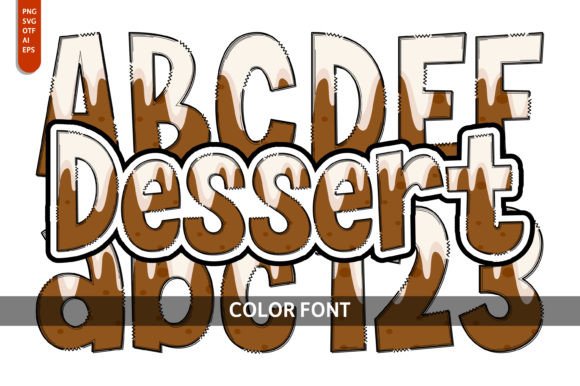
The right typeface can instantly transport your audience into a world of fun, imagination, and warmth, much like a sweet treat. For designers working on projects aimed at children, families, or any brand seeking a lighthearted touch, the Dessert font emerges as a powerful creative asset. This isn't just another script; it's a color font (Opentype-SVG) engineered to inject whimsy, vibrancy, and artistic flair directly into your typography, making it a standout choice for a range of graphic design applications.
Understanding the Dessert Font: More Than Just Letters
Dessert is a modern typographic solution designed for visual impact. Its playful, rounded forms and inherent colorfulness create an immediate sense of joy and approachability. In the realm of visual design, such a font is invaluable for establishing a specific mood and visual hierarchy that guides the viewer's eye with a friendly, engaging rhythm. It excels in contexts where readability and emotional connection are paramount, particularly for young audiences.
Practical Applications Across Creative Projects
Integrating Dessert into your design workflow can elevate numerous projects. Its unique character makes it a versatile tool for both print design and digital media. Consider its use in:
- Branding and Logo Design: Perfect for children's brands, toy companies, bakeries, or any business with a playful brand identity. It can form the core of a memorable logo or be used for secondary branding elements.
- Marketing Materials: From posters and flyers to invitations and greeting cards, Dessert captures attention and conveys a celebratory tone, ideal for event promotion or product launches.
- Social Media Graphics: Create eye-catching social media graphics for Instagram stories, Facebook ads, or Pinterest pins that stand out in a crowded feed, enhancing user engagement.
- Editorial Design: Use it for chapter headings, pull quotes, or titles in children's books, magazines, and educational materials to break up text and add visual interest.
- Packaging Design: It brings a delightful, artisanal feel to product packaging for sweets, crafts, or specialty goods, improving shelf appeal.
- Digital Products and UI: Can be used sparingly in UI design for app onboarding, game interfaces, or website elements targeting a family audience, adding personality without compromising UX design principles.
Key Considerations for Effective Implementation
While Dessert is highly engaging, its successful use hinges on thoughtful application. As a color font, it carries inherent visual weight. Here are professional tips for integrating it effectively:
- Purpose and Audience: Always align your font choice with the project's goals and audience expectations. Dessert is not suited for formal, corporate, or highly technical content but shines in contexts demanding creativity and warmth.
- Readability and Scalability: Test the font at various sizes. Its detailed, colorful nature is best for headlines, logos, and short bursts of text rather than long body copy.
- Compatibility and Workflow: This product is an Opentype-SVG color font. It is compatible with PhotoShop, Illustrator, Silhouette, and Inkscape. Crucially, the OTF and/or TTF files are not compatible with Cricut. Always verify software compatibility with your design workflow before purchasing.
- Visual Harmony: Pair Dessert with a clean, neutral sans-serif or serif font for body text. This creates a balanced visual hierarchy, allowing the playful font to command attention without overwhelming the layout.
Elevating Design with Thoughtful Typography
In modern graphic design, typography is a fundamental pillar of visual communication. The choice of typeface communicates personality, sets expectations, and significantly influences how a message is received. Assets like Dessert provide designers with specialized tools to craft nuanced, emotionally resonant creative projects. By selecting typography that aligns with the narrative and audience, you strengthen brand identity, enhance user experience, and achieve a more polished, professional presentation.
Ultimately, the power of a resource like Dessert lies in its ability to translate a feeling—playfulness, creativity, joy—into a tangible design element. When used strategically, it becomes more than just a font; it becomes a vital part of your design inspiration toolkit, helping you build connections and create memorable visual experiences that truly resonate.